What to Do if Your Roof Starts Leaking After a Storm in Montgomery County
Storms move through Montgomery County often, especially during spring and summer. Heavy rain and strong winds can damage shingles, flashing, or roof vents. Many homeowners notice leaks only after the storm has already passed.
Homes across Conroe, The Woodlands, Spring, Magnolia, and Tomball face these weather conditions each year. Even a small opening in the roof can allow water to enter the attic and ceilings.
This guide explains what to do if your roof starts leaking after a storm. You will learn how to protect your home from water damage and when to call a roofing professional.
Why Roof Leaks Often Appear After Storms in Montgomery County
Storm systems moving through Montgomery County often bring intense weather within a short time. These storms may include strong wind gusts, hail impact, and heavy rainfall. Each of these conditions can weaken roofing systems.
Wind and rain can loosen roof shingles or damage roof flashing around vents and edges. When these areas fail, water can move beneath the roofing layers. Rainwater often collects in roof valleys where large volumes of water flow during storms.
If the underlayment becomes exposed or damaged, water may enter the roof structure. Over time, this moisture can reach the attic and interior ceilings.
Wind Damage That Lifts Shingles
Strong winds can create a lifting effect known as wind uplift. This force pulls at the edges of asphalt shingles and weakens their attachment.
As shingles lift repeatedly, roofing nails may loosen from the roof decking. Once nails loosen, shingles may shift or break during the next storm. Even small gaps can allow rainwater to reach the roofing layers.
Hail Damage That Weakens Roofing Materials
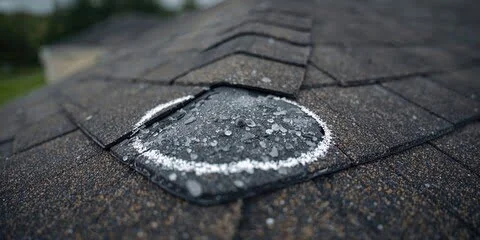
Hailstones can strike asphalt shingles with significant force. These impacts may remove shingle granules that protect the roof surface from weather.
Granule loss exposes the underlying material to heat and moisture. Over time, hail impact damage can weaken the roof surface protection and increase the risk of leaks.
Heavy Rain Entering Through Weak Roof Areas
Heavy rainfall often exposes weak areas in the roofing system. Damaged flashing around chimneys, vents, or other roof penetrations can allow water to enter.
Rainwater naturally moves toward roof valleys where water flows downward. If flashing or underlayment in these areas becomes damaged, water may move beneath the shingles and into the roof structure.
What To Do Immediately When You Notice a Roof Leak
A roof leak can spread damage quickly inside the home. Acting early can reduce interior moisture damage and protect your property. The first goal is to control water and prevent further damage.
Move Furniture and Protect Belongings
Start by moving furniture and valuables away from the leak. Water may drip through ceiling drywall and spread across nearby areas. Placing plastic sheets or towels can help limit water stains and protect floors.
Contain Water Using Buckets or Containers
Place buckets or containers directly under the leak. This simple step helps control dripping water and prevents it from spreading across the room. Empty the container regularly to avoid overflow.
Relieve Water Pressure if Ceiling Is Bulging
Sometimes water collects above ceiling drywall and forms a bulge. This trapped water can weaken the ceiling and increase the risk of collapse. The Federal Emergency Management Agency advises releasing trapped water carefully to reduce pressure and limit damage.
Avoid Climbing onto the Roof During Storm Conditions
Climbing onto the roof during storms is dangerous. Wet shingles become extremely slippery and unstable. Roof safety hazards increase when wind or rain continues during severe weather.
How to Identify the Source of a Roof Leak
Roof leaks often appear far from where water enters the roof. Rain can travel along roof decking before reaching ceilings or walls. Finding the source helps prevent repeated moisture damage.
Check the Attic for Water Entry Points
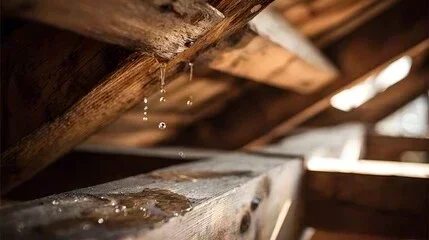
The attic often reveals the first signs of a roof leak. Use a flashlight to check attic insulation and roof decking for damp spots or stains. Dark marks or soft areas may indicate moisture damage.
Look for small openings where daylight passes through the roof structure. These areas may allow water to enter during storms.
Inspect Areas Around Roof Vents and Chimneys
Roof leaks often begin near roof penetrations such as vents or chimneys. Inspect the flashing that seals these areas against water.
Cracked sealant or loose flashing can allow rainwater to move beneath the roofing layers. Even small gaps can create a path for water.
Look for Missing Shingles or Damaged Roof Sections
Missing or broken shingles can expose the roofing surface beneath. This damage often appears after strong winds or hailstorms.
Check roof sections visible from the ground for uneven areas or gaps. These signs may indicate where water entered the roof.
When to Call a Roofing Professional in Montgomery County
Some roof problems require more than a basic home inspection. A roofing professional can identify damage that may not be visible from the ground or inside the attic.
Homeowners should schedule a roof inspection if leaks continue after a storm. Ongoing water intrusion may indicate damage beneath roof shingles or flashing. Interior ceiling stains can also signal hidden moisture within the roof structure.
How Professional Roofers Repair Storm-Related Leaks
Repairing a storm related roof leak usually begins with a detailed inspection. Roofing professionals evaluate the damaged areas and determine the best repair approach.
Roof Inspection and Damage Assessment
The process starts with a close inspection of the roofing system. Contractors examine shingles, flashing, and exposed roof decking for signs of damage. This step helps identify where water entered and how far the damage spread.
A proper assessment ensures that hidden moisture or structural issues are not overlooked.
Temporary Leak Protection
If the roof is actively leaking, temporary protection may be installed first. Contractors often place an emergency roof tarp over the damaged section.
Tarping helps block rain from entering the home until permanent repairs can be completed.
Permanent Roof Repair or Replacement
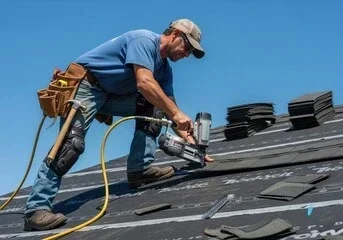
Once the roof is dry and damage is confirmed, permanent repairs begin. Minor damage may require replacing a few shingles or repairing flashing.
If large sections of the roof are damaged, a roof replacement may be recommended. The goal is to restore the roofing system and prevent future leaks.
How to Prevent Future Roof Leaks After Storms
Storms are common across Montgomery County, especially in spring and early summer. Simple preventative actions can reduce the risk of future roof leaks. Regular care helps protect the roofing system and extend the roof lifespan.
Schedule Regular Roof Inspections
Routine inspections help identify small roofing problems before storms make them worse. A professional can check shingles, flashing, and roof vents for early damage.
Annual inspections are especially helpful before severe weather seasons in Southeast Texas.
Keep Gutters and Roof Valleys Clear
Debris often collects in gutters and roof valleys after storms. Leaves and branches can block the drainage system and prevent water from flowing away from the roof.
Regular gutter maintenance helps rainwater move safely off the roof surface. Clear drainage areas reduce the chance of water entering the roofing layers.
Address Small Roof Damage Quickly
Minor damage should be repaired as soon as possible. Loose shingles, cracked flashing, or exposed areas can worsen during the next storm.
Quick repairs are an important part of preventative maintenance. Fixing small issues early helps protect the roof structure and extend the overall roof lifespan.
Roof Leak Repair Services in Montgomery County
Conroe Roofing & Restoration provides emergency roof leak inspections, storm damage roof repair, and roof replacement services. Our team examines shingles, flashing, roof vents, and other roofing areas affected by severe weather.
We serve homeowners across Montgomery County, including Conroe, The Woodlands, Spring, Magnolia, Tomball, and College Station. Our goal is to help homeowners repair roof leaks quickly and restore the safety of their homes.