How to Check for Storm Damage on Your Roof in Conroe, TX
Storms move through Conroe and Montgomery County several times each year. Strong winds, hail, and heavy rain can damage roofing materials without obvious signs. Many homeowners only notice problems after leaks or ceiling stains appear.
Homes near Lake Conroe, Loop 336, and the Interstate 45 corridor often face intense storm systems in Southeast Texas. These conditions can loosen shingles, damage flashing, or expose the roof surface.
This guide explains how to check for storm damage safely. You will also learn the warning signs and when to schedule a professional roof inspection.
Signs Your Roof May Have Storm Damage
Storm damage is not always obvious from the ground. After severe weather in Conroe, small signs may appear around your home. Identifying these signs early can prevent larger roof problems.
Missing or Lifted Shingles
High winds can loosen or lift asphalt shingles. You may notice uneven edges or gaps across parts of the roof. In some cases, shingles may be missing entirely, exposing the roof surface beneath.
Granules in Gutters or Downspouts
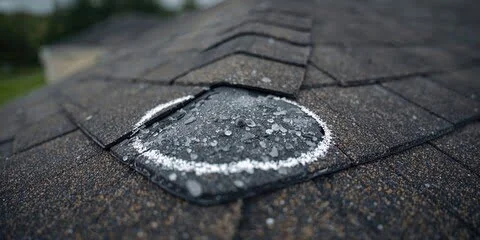
Hail can loosen the protective granules on asphalt shingles. These small particles often collect inside gutters or near downspouts. Granule loss reduces the shingle’s surface protection and may shorten the roof’s lifespan.
Water Stains on Ceilings or Walls
Interior stains are often a sign of roof leaks. Moisture may travel through the attic space before appearing on ceilings or walls. This type of moisture intrusion can develop slowly after storm damage.
Damaged Roof Flashing or Vents
Strong winds can shift flashing around roof penetrations such as vents. When flashing loosens, water can enter small gaps around these areas. Damaged roof vents may also allow rain to reach the roof structure.
How Homeowners in Conroe Can Safely Inspect Their Roof After a Storm
After storms pass through Conroe and Montgomery County, a quick inspection can help identify early damage. Safety should always come first. Most roof checks can begin from the ground or inside the home.
Check the Roof from the Ground
Start by looking at the roof from a safe distance. Walk around the house and observe the roof surface from different angles. Look for missing shingles, uneven areas, or sections that appear lifted.
Inspect the Attic for Signs of Water
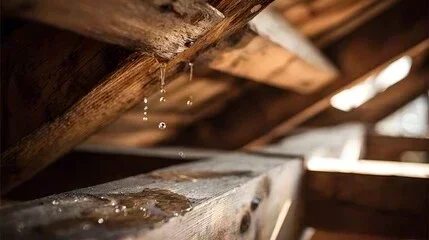
The attic can reveal early signs of roof problems. Use a flashlight to check attic insulation and roof decking for moisture or dark spots. Damp areas or small stains may indicate moisture damage.
Look for sunlight entering through small openings in the roof structure. These openings may allow water to enter during heavy rain.
Look for Debris Around the Property
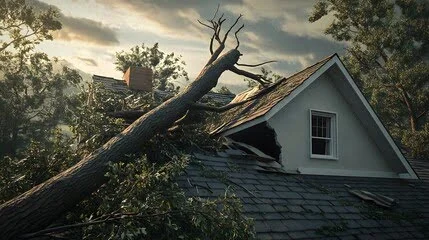
Storms often leave debris around homes in Conroe neighborhoods. Check the yard and roofline for fallen tree branches or broken limbs. Large branches can strike the roof and cause roof punctures.
Even smaller debris can damage shingles or block drainage areas on the roof. Clearing debris early can prevent further roof issues.
When to Schedule a Professional Roof Inspection
Homeowners should consider an inspection after hailstorms or strong wind events. Missing shingles, lifted roofing edges, or debris impact can weaken the roof surface. These problems may not always be visible from the ground.
How Professional Roof Inspections Work
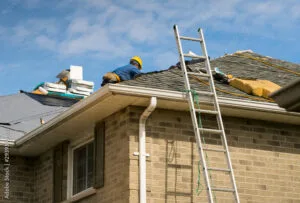
A professional roof inspection helps confirm whether storms caused damage. Roofing contractors follow a careful process to evaluate the roof and surrounding structures.
Exterior Roof Inspection: Checking Shingles, Flashing, and Roof Vents
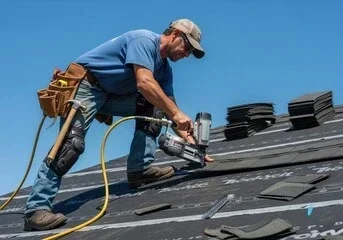
The inspection usually begins with the roof surface. The contractor checks asphalt shingles for cracks, lifting, or missing sections. Flashing around chimneys, roof vents, and other penetrations is also examined for gaps or movement.
Loose or damaged flashing can allow water to enter the roofing system. Roof vents are inspected to ensure they remain secure and sealed.
Structural Roof Inspection: Examining Decking and Support Areas
The contractor may inspect the attic to evaluate the roof structure. Roof decking is checked for soft spots, moisture, or signs of water exposure.
Areas around support structures and ventilation openings receive close attention. Moisture damage in these areas can weaken the roof over time.
Storm Damage Documentation for Insurance Claims
If storm damage is present, the contractor documents the findings carefully. Photos and written notes record damage to shingles, flashing, and other roofing components.
This documentation can help homeowners when filing an insurance claim. Accurate inspection reports provide clear evidence of storm related roof damage.
Preventing Future Storm Damage to Your Roof
Storms cannot be avoided in Southeast Texas, but proper care can reduce roof damage. Preventative maintenance helps protect roofing materials and extend the roof lifespan.
Regular Roof Maintenance
Routine maintenance helps keep the roofing system in good condition. Homeowners should check gutters and drainage areas for debris. Proper gutter maintenance allows rainwater to move away from the roof safely.
Loose shingles or minor flashing issues should be addressed early. Small repairs often prevent larger problems during strong storms.
Trimming Trees Near the Roof
Overhanging tree branches can become dangerous during storms. Strong winds may break branches and send them onto the roof surface.
Homes in neighborhoods with mature trees, such as areas around Lake Conroe or older parts of Conroe, often face this risk. Trimming branches reduces the chance of roof punctures or shingle damage.
Annual Roof Inspections
Scheduling a yearly roof inspection helps identify problems before severe weather arrives. Roofing professionals can evaluate shingles, flashing, and drainage systems for early damage.
Regular inspections support preventative maintenance and help extend the overall roof lifespan.
Storm Damage Roofing Services in Conroe, TX
We serve homeowners across Conroe and Montgomery County, including nearby communities such as The Woodlands, Spring, Magnolia, Tomball, and College Station. Our goal is to help homeowners restore their roofs safely after storms and protect their homes from future damage.