
Can Hail Damage Your Roof Without You Noticing? A Guide for Conroe Homeowners
Hailstorms occur often across Conroe and Montgomery County. Many storms form quickly during spring and early summer in Southeast Texas. These storms can damage roofing materials even when the roof looks normal from the ground.
Homes near Lake Conroe, the Interstate 45 corridor, and neighborhoods across The Woodlands or Spring often experience strong storm systems. Even small hailstones can weaken asphalt shingles and roof flashing.
Why Hailstorms Are Common in Conroe and Montgomery County
Hailstorms occur regularly across Southeast Texas, especially during spring and early summer. Warm, humid air rising from the Gulf often creates severe thunderstorms across Montgomery County. These storm systems can produce hailstones, strong wind gusts, and heavy rain.
Hail forms when powerful storm updrafts carry water droplets into freezing air layers high in the atmosphere. The droplets freeze and grow into hailstones before falling to the ground. According to the National Weather Service, severe thunderstorms in this region frequently produce hail during active storm seasons.
Spring Storm Systems in Southeast Texas
Spring is one of the most active storm periods in Southeast Texas. Warm air near the surface often collides with cooler air moving across the region. This interaction helps create strong storm systems capable of producing hail.
Communities along the Interstate 45 corridor, including Conroe, The Woodlands, and nearby areas, often experience these storms as they move through Montgomery County.
Why Hail Size Matters for Roof Damage
Hail size plays an important role in roof damage. Larger hailstones carry greater impact force when striking roofing materials. Even smaller hail can damage asphalt shingles if storms produce strong wind gusts.
Hail diameter affects how much energy hits the roof surface. Larger impacts can remove protective layers from shingles and weaken the roof surface protection over time.
How Hail Can Damage Your Roof Without Obvious Signs
Hail damage is not always easy to see from the ground. Some impacts weaken roofing materials without leaving clear marks. Over time, this hidden damage can allow water to enter the roofing system.
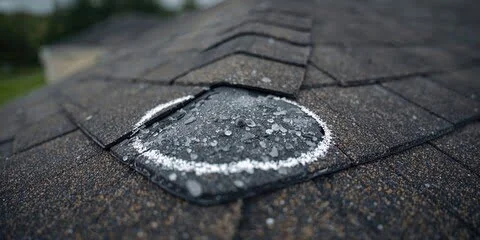
Hail can affect asphalt shingles, remove shingle granules, or weaken roof surface protection. If damage reaches deeper layers, moisture may reach the roof decking and cause future leaks.
Granule Loss That Weakens Asphalt Shingles
Shingle granules protect asphalt shingles from sunlight, heat, and rain. When hail hits the roof, some of these granules may break loose.
Granule loss often happens gradually and may not be visible from the ground. However, losing this protective layer can weaken shingles over time.
Hidden Cracks Beneath the Shingle Surface
Hail impact can create small cracks beneath the shingle surface. These fractures may not appear immediately after a storm.
As the roof expands and contracts with temperature changes, these cracks can widen. Eventually, they may allow water intrusion during future storms.
Damage Around Roof Flashing and Roof Vents
Hail can also affect areas around roof penetrations. Roof flashing and roof vents rely on tight seals to keep water out.
Strong impacts may loosen flashing or damage sealant around these areas. Even small gaps can allow rainwater to move beneath the roofing layers.
Signs Your Roof May Have Hidden Hail Damage
Hail damage is not always easy to see from the ground. However, some warning signs may appear around the home after a storm. Checking these areas can help homeowners spot possible roof damage early.
Granules Collecting in Gutters or Downspouts
After a hailstorm, shingle granules may collect inside the gutter system or near downspouts. These small particles protect the roof surface from weather and sunlight.
When large amounts of granules appear in the drainage system, it may indicate that hail has struck the shingles.
Small Dents on Roof Vents or Metal Flashing
Metal parts of the roof often show hail impact marks more clearly than shingles. Roof vents, flashing, and other metal surfaces may show small dents after a storm.
These dents suggest that hailstones struck the roof with enough force to cause damage.
Soft Spots on Asphalt Shingles
Hail can weaken asphalt shingles without breaking them completely. In some cases, shingles may feel soft where hail struck the surface.
These soft areas can indicate weakened roofing materials that may fail during future storms.
How Conroe Homeowners Can Safely Check for Hail Damage
After a hailstorm, homeowners can look for early signs of roof damage without climbing onto the roof. Safe inspections from the ground or inside the attic can reveal possible problems.
Inspect the Roof from the Ground
Walk around the house and observe the roof from several angles. Look for uneven shingle lines, dark patches, or visible debris on the roof surface.
Using binoculars can help you see details safely without stepping onto the roof.
Check the Attic for Moisture or Light
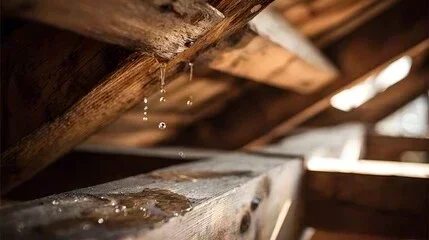
The attic can reveal early signs of hail damage. Use a flashlight to check attic insulation and roof decking for damp spots or stains.
Small openings in the roof may also allow daylight to appear inside the attic.
Look for Damage Around Gutters and Downspouts
Hail often strikes the edges of roofs near gutters and downspouts. Check these areas for dents, loose sections, or debris.
Damage near the gutter line may indicate that hail impacted nearby roofing materials.
How Roofers Identify Hail Damage
Professional roof inspections follow a careful process. Roofers examine several parts of the roofing system to confirm whether hail caused damage.
Inspecting Asphalt Shingles for Impact Damage
Contractors check asphalt shingles closely for signs of hail impact. They look for areas where shingle granules have been knocked loose.
Granules protect shingles from weather and sunlight. Loss of this roof surface protection may shorten the lifespan of the roof.
Checking Roof Flashing and Roof Vents
Roofers also inspect metal components around roof penetrations. Roof flashing and roof vents often show hail dents more clearly than shingles.
These areas help seal the roof from water. Damage here can increase the risk of leaks.
Documenting Damage for Insurance Claims
If hail damage is found, the contractor records the findings carefully. Photos and written notes are added to an inspection report.
This documentation helps homeowners when filing insurance claim documentation. The Texas Department of Insurance advises keeping clear records when reporting storm damage.
How to Protect Your Roof After a Hailstorm
Taking a few steps after a hailstorm can reduce future roof problems. Regular care helps protect roofing materials and keeps small damage from spreading.
Schedule a Post Storm Roof Inspection
A roof inspection after a hailstorm can reveal damage that may not be visible from the ground. Roofing professionals can check shingles, flashing, and other vulnerable areas for early signs of impact.
Early inspections help homeowners address problems before leaks develop.
Repair Small Roofing Damage Early
Minor hail damage should be repaired as soon as possible. Small cracks, loose shingles, or damaged flashing can worsen during the next storm.
Early repairs are part of preventative maintenance and help extend the roof lifespan.
Maintain Gutters and Drainage Systems
After storms, debris often collects in gutters and drainage areas. Blocked gutters can prevent water from flowing away from the roof.
Regular gutter maintenance keeps the roof drainage system working properly and reduces the chance of water entering roofing layers.
Hail Damage Roof Inspection Services in Conroe
Conroe Roofing & Restoration provides hail damage roof inspections, storm damage roof repairs, and roof replacement services. Our team carefully checks shingles, flashing, roof vents, and other areas affected by hail impact.
We serve homeowners throughout Conroe and Montgomery County, including The Woodlands, Spring, Magnolia, and Tomball. Our goal is to help homeowners detect hail damage early and restore the safety of their roofs.