PVC Roofing Systems in Conroe, TX
High-Performance PVC Roofing Solutions for Commercial Buildings
PVC roofing is a durable, energy-efficient system designed for flat and low-slope commercial roofs. Built for long-term performance, strong seam protection, and low maintenance.
✔ Commercial roofing specialists
✔ Fully insured & code-compliant
✔ Certified PVC installation
✔ Free inspections • No obligation
What Is PVC Roofing?
PVC membranes are installed in large sheets and heat-welded at the seams, forming a strong, leak-resistant barrier. The material reflects heat, resists moisture and chemicals, and is engineered to handle long-term exposure to harsh conditions.
How PVC Roofing Works
PVC membranes are installed in large sheets and heat-welded at the seams, forming a strong, leak-resistant barrier. The material reflects heat, resists moisture and chemicals, and is engineered to handle long-term exposure to harsh conditions.
Where PVC Roofing Is Commonly Used
PVC roofing is widely used on:
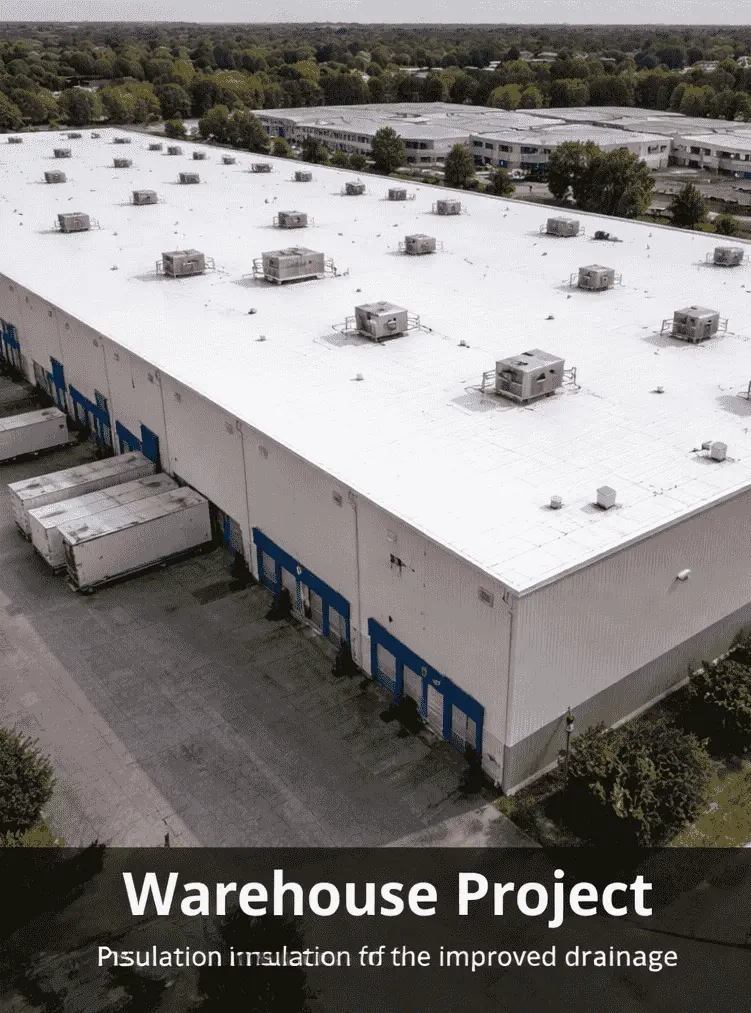
- Warehouses and distribution centers
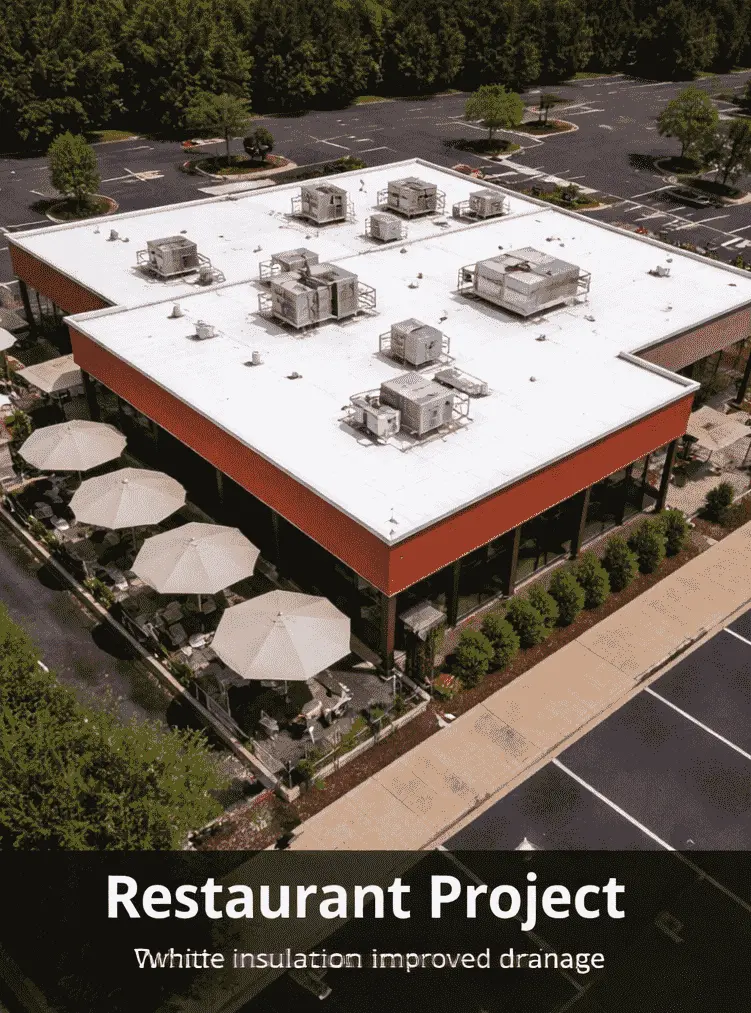
- Restaurants and food-service buildings
- Retail and shopping centers
- Manufacturing and industrial facilities
- Office and commercial properties
Benefits of PVC Roofing
PVC roofing is designed for long-term performance in demanding commercial environments. Its durability and efficiency make it a top choice for flat and low-slope roofs.
Exceptional Durability & Longevity
PVC roofs are built to withstand extreme weather, foot traffic, and daily wear—often lasting 20–30 years with proper installation and maintenance.
Heat-Reflective & Energy Efficient
The light-colored surface reflects heat, helping reduce cooling costs and improve indoor comfort in warm climates.
Chemical, Fire & Moisture Resistance
PVC roofing resists chemicals, grease, and moisture, making it ideal for restaurants, factories, and buildings with exhaust systems.
Strong Welded Seams for Leak Protection
Heat-welded seams create a single, watertight surface that is stronger than glued or taped seams, greatly reducing leak risks.
Low Maintenance Roofing System
PVC roofs require minimal upkeep and are easy to inspect and repair, helping lower long-term maintenance costs.
PVC Roofing vs Other Flat Roofing Systems
Choosing the right flat roofing system depends on durability, performance, and long-term value. Here’s how PVC roofing compares to other common options.
PVC Roofing vs TPO
Both PVC and TPO are single-ply membranes, but PVC offers stronger seam welding and higher chemical resistance. PVC performs better in environments with grease, chemicals, or heavy rooftop activity, while TPO is often chosen as a lower-cost alternative for simpler applications.
Best choice:
- PVC → Restaurants, industrial facilities, long-term performance
- TPO → Budget-focused commercial projects
PVC Roofing vs EPDM
EPDM is a rubber roofing system that relies on adhesives or tapes at the seams. PVC uses heat-welded seams, creating a stronger and more watertight surface. PVC also reflects heat more effectively, while EPDM typically absorbs heat unless specially coated.
Best choice:
- PVC → Energy efficiency, leak resistance, chemical exposure
- EPDM → Basic flat roofs with minimal exposure
Our PVC Roofing Installation Process
We follow a proven, code-compliant process to ensure your PVC roofing system is installed correctly and performs long term.
Types of PVC Roofing Systems We Install
We install PVC roofing systems based on your building’s structure, usage, and performance requirements.
Fully Adhered PVC Roofing
The PVC membrane is fully bonded to the roof surface, providing a smooth, secure finish with excellent wind resistance. This system is ideal for buildings where appearance and long-term performance are priorities.
Mechanically Attached PVC Roofing
This system secures the PVC membrane with fasteners, making it a cost-effective option for large commercial roofs while still delivering strong performance and durability.
PVC Roofing with Tapered Insulation
Tapered insulation is used to improve drainage on flat roofs by directing water toward drains. This helps prevent ponding water and extends the life of the roofing system.
PVC Roofing Cost Factors
PVC roofing costs vary based on your building and system requirements. Pricing is determined by performance needs—not one-size-fits-all estimates.
What Affects PVC Roofing Pricing?
- Roof size and layout
- Insulation and drainage requirements
- Membrane thickness and system type
- Installation complexity and access
- Condition of the existing roof
Each project is evaluated individually to ensure the right system is installed for long-term performance.
Free Inspections & Transparent Estimates
We provide free PVC roof inspections and clear, upfront estimates. You’ll receive an honest recommendation with no pressure and no obligation.
Why Choose Us for PVC Roofing
We focus on quality workmanship, clear communication, and long-term performance for commercial roofing projects.
Commercial Roofing Experience
We specialize in PVC roofing for commercial and industrial buildings, with experience across flat and low-slope systems.
Certified & Code-Compliant Installation
All PVC roofing systems are installed according to manufacturer specifications and local building codes.
High-Quality PVC Materials
We use proven, industry-grade PVC membranes designed for durability, efficiency, and long service life.
Safety-Focused & Fully Insured
Our team follows strict safety standards and is fully insured to protect your property and project.
Reliable Timelines & Clear Communication
You’ll get realistic timelines, regular updates, and straightforward communication from start to finish.
Recent PVC Roofing Projects in Conroe, TX
We’ve completed PVC roofing installations and replacements for a variety of commercial and industrial properties, delivering long-lasting performance and dependable protection.
Recent PVC roofing projects include:
- Commercial buildings with flat and low-slope PVC roofing systems
- Restaurants and food-service facilities requiring chemical-resistant roofing
- Warehouses and industrial properties with large roof areas
- Re-roofing projects using tapered insulation for improved drainage
Each project is completed using certified installation methods, high-quality PVC materials, and strict quality inspections to ensure long-term durability and performance.
Areas We Serve
Conroe Roofing & Restoration provides PVC roofing services for homeowners across Southeast Texas. We serve communities including Conroe, Spring, Montgomery, Magnolia, Tomball, Huntsville, Bryan, College Station, Humble, Beaumont, and The Woodlands.
Homeowners can learn more about PVC roofing solutions in their area:
PVC Roofing Frequently Asked Questions
Schedule a PVC Roofing Consultation
Protect your commercial building with a durable, energy-efficient PVC roofing system installed by experienced professionals. We’ll evaluate your roof, explain your options clearly, and recommend the right solution for your building and budget.
Free inspection • No obligation • Local Conroe team