How Long Do Asphalt Shingle Roofs Last in Texas Heat?
Homes across Conroe and Montgomery County experience long periods of heat and sunlight each year. Summer temperatures in Southeast Texas often stay high for weeks, with strong UV exposure during the day.
These conditions can affect how long roofing materials last. Asphalt shingles are the most common roofing material in areas like Conroe, The Woodlands, Spring, and Magnolia. However, constant heat and sunlight can slowly weaken the roof surface.
This guide explains how long asphalt shingle roofs usually last in Texas heat. It also covers how sunlight affects roofing materials, signs your roof may be aging, and ways homeowners can extend roof lifespan.
Average Lifespan of Asphalt Shingle Roofs in Texas
Most asphalt shingle roofs last about 15 to 25 years in Texas. The exact roof lifespan depends on climate, installation quality, and regular maintenance. Heat, sunlight, and storms in Southeast Texas can place extra stress on roofing materials.
According to the National Roofing Contractors Association, asphalt shingles remain one of the most widely used roofing materials for residential homes because they offer reliable protection when properly installed and maintained.
Three Tab Shingles vs Architectural Shingles
Different types of asphalt shingles have different lifespans. Three tab shingles are thinner and usually last around 15 to 20 years.
Architectural shingles, also called laminated shingles, are thicker and more durable. These shingles often last longer because their layered design provides stronger protection against heat and weather.
How Installation Quality Affects Roof Lifespan
Proper installation plays a major role in how long a roof lasts. Roofing systems rely on correct placement of roof decking, roof underlayment, and roof flashing.
If these layers are installed correctly, they help protect the home from moisture and heat. Poor installation can shorten the roof lifespan and lead to early repairs.
How Texas Heat Affects Asphalt Shingle Roofs
Texas summers can place heavy stress on roofing materials. Roof surface temperature often rises far above the outside air temperature during hot days. Prolonged UV exposure and heat can slowly weaken asphalt shingles.
According to research from the U.S. Department of Energy, roof surfaces exposed to direct sunlight can reach very high temperatures. Over time, this heat affects how roofing materials perform and how long they last.
Sunlight and UV Damage
Constant sunlight can break down roofing materials over time. UV exposure slowly weakens the protective layers on asphalt shingles.
As this damage increases, shingles may lose flexibility and become more vulnerable to cracks or wear.
Thermal Expansion and Shingle Cracking
Roofing materials expand during hot temperatures and contract when the roof cools. This repeated thermal movement places stress on the shingles.
Over time, this process can weaken the roof surface protection and lead to cracking or curling.
High Attic Temperatures
Poor attic ventilation can trap heat beneath the roof. When hot air remains in the attic, it raises the temperature of the roof decking.
Proper attic ventilation helps release trapped heat and reduces stress on roofing materials.
Signs Your Asphalt Shingle Roof Is Near the End of Its Lifespan
As asphalt shingles age, several warning signs may begin to appear. These signs often show that roofing materials are weakening and may soon need replacement. Homeowners in Conroe and Montgomery County may notice these changes after years of heat, storms, and sunlight.
Curling or Cracked Shingles
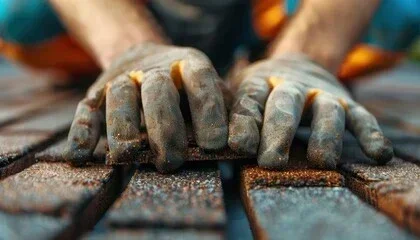
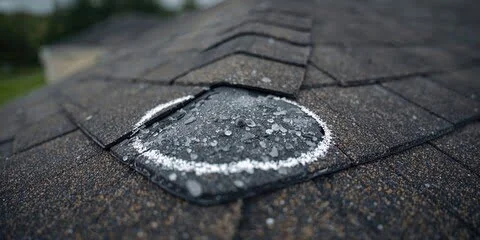
Older shingles may start to curl along the edges. Some may also develop cracks across the surface.
These changes occur as roofing materials lose flexibility over time. Curled or cracked shingles can allow water to reach the roofing layers beneath.
Granules Collecting in Gutters
Shingle granules protect the roof from sunlight and weather. When shingles age, these granules begin to loosen and wash into the gutter system.
Large amounts of granules in the roof drainage system may signal that shingles are wearing out.
Frequent Roof Leaks
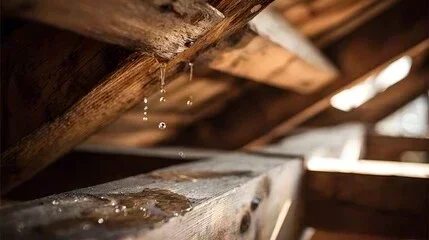
Repeated leaks are another sign that the roof may be deteriorating. Aging shingles and weakened flashing can allow water to enter during rainstorms.
If leaks occur often, the roofing system may be nearing the end of its lifespan.
Dark Streaks or Weathering on the Roof
Dark streaks or uneven color patterns may appear on older roofs. These marks often result from algae growth or long-term weather exposure.
While these stains do not always cause immediate leaks, they often indicate that roofing materials are aging.
How Conroe Homeowners Can Extend Roof Lifespan
Regular care can help asphalt shingles last longer, even in Texas heat. Preventative maintenance reduces stress on roofing materials and helps detect problems early.
Schedule Regular Roof Inspections
Routine roof inspections help identify small issues before they grow into larger repairs. A professional roof inspection can check shingles, flashing, and other roofing areas for early damage.
Regular inspections are an important part of preventative maintenance.
Maintain Proper Attic Ventilation
Good attic ventilation helps release trapped heat from the roof structure. When hot air remains inside the attic, roof temperatures increase.
Proper roof airflow reduces heat buildup and helps protect roofing materials.
Keep Gutters and Roof Valleys Clean
Leaves and debris often collect in gutters and roof valleys after storms. Blocked areas can slow the roof drainage system and allow water to collect.
Regular gutter maintenance helps water flow away from the roof and protects the roofing layers.
Asphalt Shingle Roof Replacement Services in Conroe
Conroe Roofing & Restoration provides roof inspections, asphalt shingle roof replacement, and storm damage roof repair for homeowners in the area. Our team evaluates shingles, flashing, and roof structure to recommend the right solution.
We serve homeowners across Conroe and Montgomery County, including The Woodlands, Spring, Magnolia, and Tomball. Our goal is to help homeowners replace aging roofs and protect their homes from Texas weather.